


Knee Arthroscopy In Nagpur

- MBBS
- MS (Ortho)
- SICOT International Fellow (IRCCS Polyclinico San Mateo, Italy)
- Academic Visitor (Hospital for Special Surgery , New York)
- Revision Joint Replacement Fellow (Helio Endo Klinic, Germany
Experience : 10 Years
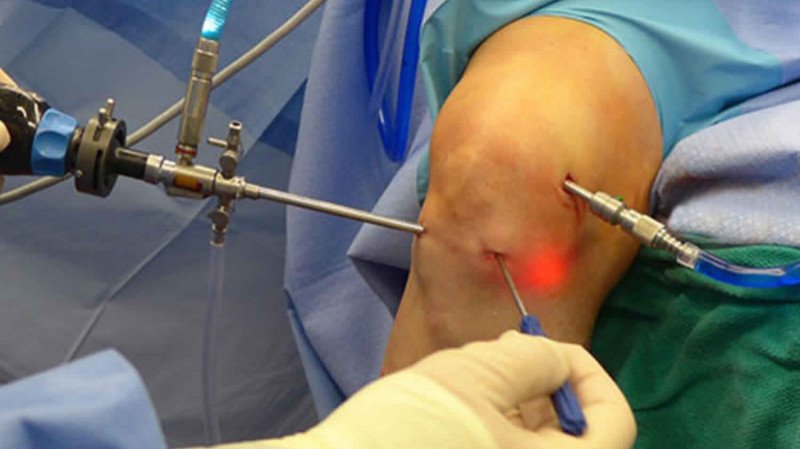
If you are looking for Knee Arthroscopy In Nagpur, you can benefit from advanced minimally invasive procedures that accurately diagnose and treat various knee conditions. Knee arthroscopy helps patients recover faster, experience less pain, and return to their active lifestyle sooner.
Knee pain can make everyday activities difficult. Whether you struggle to walk, climb stairs, play sports, or perform routine tasks, persistent knee problems can affect your quality of life. Fortunately, modern orthopedic treatments offer effective solutions with minimal discomfort and quicker recovery.
What Is Knee Arthroscopy?
Why Choose Knee Arthroscopy?
Traditional surgery often involves larger incisions and longer recovery periods. However, knee arthroscopy provides several advantages that make it a preferred treatment option.
Benefits of Knee Arthroscopy
- Smaller incisions
- Minimal blood loss
- Less post-operative pain
- Faster recovery
- Reduced hospital stay
- Lower risk of complications
- Better visualization of the knee joint
- Early return to normal activities
- Minimal scarring
- Improved joint function
Moreover, patients usually experience quicker rehabilitation after arthroscopic surgery. Therefore, many active individuals and athletes prefer this treatment option.
Conditions Treated with Knee Arthroscopy In Nagpur
Knee arthroscopy helps diagnose and treat various knee problems effectively. Moreover, this minimally invasive procedure offers faster recovery, less pain, and improved joint function.
Meniscus Tear
- The meniscus acts as a shock absorber inside the knee joint.
- A tear can cause pain, swelling, and difficulty in movement.
- Arthroscopic surgery allows the surgeon to repair or remove the damaged portion of the meniscus.
- Furthermore, early treatment helps prevent further joint damage.
- As a result, patients experience pain relief and improved knee function.
ACL Injury
- The anterior cruciate ligament (ACL) plays an important role in knee stability.
- Sports injuries and sudden twisting movements often damage this ligament.
- Arthroscopic ACL reconstruction helps restore knee stability.
- In addition, rehabilitation exercises improve strength and flexibility.
- Therefore, many patients can safely return to their favorite activities and sports.
PCL Injury
- The posterior cruciate ligament (PCL) may become injured after trauma or accidents.
- The injury can lead to pain, swelling, and knee instability.
- Arthroscopy helps evaluate the damage accurately and supports effective reconstruction procedures.
- Moreover, timely treatment can prevent long-term complications.
- Consequently, patients regain better knee function and stability.
Symptoms That Indicate You May Need Knee Arthroscopy
You should consult an orthopedic specialist if you experience:
- Persistent knee pain
- Knee swelling
- Knee locking
- Knee instability
- Difficulty walking
- Clicking sounds in the knee
- Reduced range of motion
- Recurrent sports injuries
- Difficulty climbing stairs
- Pain during physical activities
Moreover, early diagnosis often prevents further damage to the knee joint. Therefore, seeking timely medical care can improve treatment outcomes.
Who Is a Good Candidate for Knee Arthroscopy?
Knee arthroscopy suits many patients who suffer from specific knee conditions. Moreover, this minimally invasive procedure can provide significant pain relief and improve knee function. In addition, it helps diagnose and treat several internal knee problems effectively.
You may benefit from the procedure if:
- Conservative treatment has failed.
- Medications do not provide adequate relief.
- Physiotherapy has not improved your symptoms.
- You experience repeated knee injuries.
- Your knee frequently locks, catches, or gives way.
- Imaging tests show internal knee damage.
- You have a meniscus tear or ligament injury.
- You suffer from persistent knee pain and swelling.
- You have loose bodies inside the knee joint.
- You experience reduced mobility and difficulty performing daily activities.
Furthermore, early intervention can prevent additional joint damage and improve long-term outcomes. Similarly, timely treatment may help patients return to sports and normal activities more quickly. Therefore, seeking medical evaluation at the right time is essential for successful treatment.
However, your orthopedic surgeon will evaluate your condition thoroughly before recommending surgery. Additionally, the doctor will review your symptoms, physical examination findings, and imaging reports to determine whether knee arthroscopy is the best treatment option. Consequently, patients receive a personalized treatment plan that addresses their specific knee condition and recovery goals.
Diagnosis Before Knee Arthroscopy
A detailed evaluation helps determine the exact cause of knee pain. Moreover, an accurate diagnosis helps the surgeon recommend the most appropriate treatment plan. In addition, early evaluation can prevent further damage and improve treatment outcomes.
Medical History
- Your doctor will ask about your symptoms, previous injuries, and activity levels.
- The doctor will also review your medical conditions and previous treatments.
- Furthermore, understanding your medical history helps identify the underlying cause of knee problems.
Physical Examination
- The surgeon carefully examines the knee to assess movement and stability.
- The examination helps identify swelling, tenderness, and ligament injuries.
- Additionally, the doctor evaluates your range of motion and walking pattern.
X-Rays
- X-rays help evaluate bone structure and signs of arthritis.
- They can identify fractures, joint deformities, and bone abnormalities.
- Therefore, X-rays provide important information for treatment planning.
How Is Knee Arthroscopy Performed?
Knee arthroscopy follows a systematic process.
Step 1: Anesthesia
The patient receives anesthesia to ensure comfort during surgery.
Step 2: Small Incisions
The surgeon makes tiny incisions around the knee.
Step 3: Arthroscope Insertion
A small camera enters the knee joint through one incision.
Step 4: Examination
The surgeon carefully examines the inside of the knee.
Step 5: Treatment
Specialized instruments repair damaged structures.
Step 6: Closure
The surgeon closes the incisions with stitches and applies dressings.
Moreover, the procedure usually takes less time than traditional surgery. As a result, many patients return home on the same day.
Conditions Treated Through Knee Arthroscopy Procedures
Meniscus Repair
- The surgeon repairs the torn cartilage whenever possible.
- This procedure helps preserve the natural cushioning of the knee.
- Furthermore, preserving the meniscus reduces the risk of future joint damage.
- As a result, patients often regain better knee function and stability.
Meniscectomy
- The surgeon removes the damaged portions of the meniscus.
- This procedure helps relieve pain and eliminates mechanical symptoms.
- In addition, removing unstable tissue can improve knee movement.
- Therefore, patients frequently experience significant symptom relief.
ACL Reconstruction
- The surgeon reconstructs the torn ligament to restore knee stability.
- The procedure helps patients return to sports and physical activities.
- Moreover, rehabilitation plays an essential role in achieving the best results.
- Consequently, patients can regain confidence and improve knee performance.
Cartilage Repair
- The procedure helps improve damaged cartilage surfaces.
- It aims to reduce pain and improve joint function.
- Additionally, cartilage restoration techniques may slow further joint degeneration.
- As a result, patients enjoy improved mobility and comfort.
Recovery After Knee Arthroscopy In Nagpur
Recovery varies depending on the condition and the type of procedure performed. However, most patients experience gradual improvement within a few weeks. Moreover, proper post-operative care helps speed up recovery and improves overall outcomes.
Recovery Tips
- Follow medication instructions carefully.
- Use ice packs regularly to reduce swelling.
- Elevate the leg to minimize discomfort.
- Perform prescribed exercises as advised.
- Attend physiotherapy sessions consistently.
- Avoid strenuous activities during the initial recovery period.
- Maintain a healthy and balanced diet.
In addition, staying active within the recommended limits helps restore strength and mobility. As a result, patients often recover more comfortably and return to their daily activities sooner. Therefore, rehabilitation plays a crucial role in successful recovery, and patients should follow their surgeon’s instructions carefully.
Physiotherapy After Knee Arthroscopy
Physiotherapy helps restore strength and flexibility.
Benefits of Rehabilitation
- Reduces stiffness
- Improves muscle strength
- Enhances joint mobility
- Reduces swelling
- Improves balance
- Speeds recovery
- Prevents complications
In addition, guided rehabilitation helps patients regain confidence and return to normal activities faster.
Why Choose Knee Arthroscopy In Nagpur?
Nagpur has become a trusted destination for advanced orthopedic care.
Patients choose knee arthroscopy in Nagpur because of:
- Advanced surgical techniques
- Experienced orthopedic specialists
- Modern operation theatres
- Personalized treatment plans
- Comprehensive rehabilitation services
- Affordable treatment options
- High success rates
Therefore, many patients from surrounding regions visit Nagpur for specialized knee treatments.
How Long Does Recovery Take?
Recovery after knee arthroscopy depends on the type of procedure performed. Moreover, following a structured rehabilitation program helps patients regain strength and mobility more effectively. In addition, recovery time varies according to the severity of the knee condition and the specific procedure.
Expected Recovery Timeline
- Simple Arthroscopy: 2–6 weeks
- Meniscus Repair: 6–12 weeks
- ACL Reconstruction: 6–9 months
- Cartilage Procedures: Several months
Furthermore, patients who follow their physiotherapy program often recover more quickly. Similarly, regular exercises help improve flexibility, muscle strength, and joint stability. Therefore, adhering to your surgeon’s recommendations plays a vital role in achieving the best possible outcome.
Additionally, maintaining a healthy lifestyle and avoiding excessive strain on the knee can support long-term recovery. As a result, many patients can gradually return to their daily activities, sports, and recreational pursuits. Consequently, proper rehabilitation significantly improves recovery outcomes and helps restore optimal knee function.
Preventing Future Knee Injuries
You can protect your knees by:
- Maintaining a healthy weight
- Exercising regularly
- Strengthening leg muscles
- Wearing appropriate footwear
- Warming up before sports
- Avoiding sudden twisting movements
- Following proper exercise techniques
In addition, regular fitness and flexibility exercises help maintain long-term knee health.
Frequently Asked Questions
Book Your Consultation
If chronic hip pain affects your quality of life, expert treatment can help you move comfortably again. Moreover, advanced Hip Replacement In Nagpur offers long-term relief and improved mobility. Therefore, schedule your consultation today and take the first step toward a pain-free and active life.Book your appointment with Dr. Romil Rathi today and take the first step toward expert orthopedic care and a pain-free life.