


Knee Fracture In Nagpur

- MBBS
- MS (Ortho)
- SICOT International Fellow (IRCCS Polyclinico San Mateo, Italy)
- Academic Visitor (Hospital for Special Surgery , New York)
- Revision Joint Replacement Fellow (Helio Endo Klinic, Germany
Experience : 10 Years
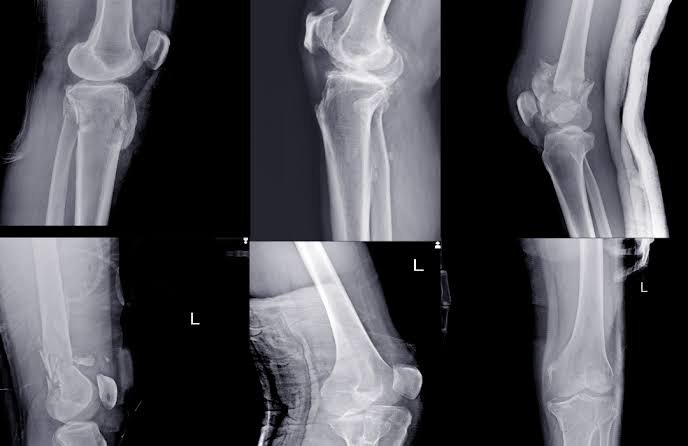
A knee fracture can affect your mobility, independence, and quality of life. The injury often causes severe pain, swelling, and difficulty walking. Therefore, early diagnosis and proper treatment become essential for complete recovery. If you are looking for expert treatment for a Knee Fracture In Nagpur, our orthopedic team offers advanced care for all types of knee injuries.
We provide comprehensive diagnosis, personalized treatment plans, and rehabilitation programs that help patients regain strength and return to their daily activities. Moreover, our specialists use modern techniques and evidence-based treatment methods to ensure the best possible outcomes.Whether your fracture results from an accident, sports injury, or fall, timely medical attention can prevent complications and improve healing.
What Is a Knee Fracture?
Understanding the Anatomy of the Knee
The knee is one of the largest and most complex joints in the body. It consists of several structures that work together to provide movement and stability.
The main bones of the knee include:
- Femur (thigh bone)
- Tibia (shin bone)
- Patella (kneecap)
- Fibula
Moreover, ligaments, cartilage, muscles, and tendons support these bones and help maintain normal movement. When a fracture occurs, one or more of these structures may also suffer damage.
Therefore, orthopedic specialists perform a complete assessment before recommending treatment.
Types of Knee Fractures
Knee fractures can affect different bones around the knee joint. Moreover, each type of fracture requires proper diagnosis and timely treatment to restore knee function and prevent complications.
Patella Fracture
- A patella fracture involves a break in the kneecap.
- It often occurs due to direct trauma or a fall onto the knee.
- Patients may experience severe pain, swelling, and difficulty walking.
- As a result, many patients struggle to straighten the leg or bear weight on the affected knee.
Distal Femur Fracture
- This fracture occurs near the lower end of the thigh bone.
- It commonly affects older adults with osteoporosis.
- High-impact accidents can also cause this injury in younger individuals.
- Furthermore, the fracture may significantly limit knee movement and stability.
Tibial Plateau Fracture
- The upper part of the shin bone breaks in this condition.
- The injury can damage the cartilage and surrounding soft tissues.
- Patients often experience pain, swelling, and difficulty standing.
- Therefore, this fracture can affect knee stability and joint alignment.
Stress Fracture Around the Knee
- Small cracks develop in the bone due to repetitive stress or overuse.
- Athletes and runners face a higher risk of this type of fracture.
- Symptoms usually develop gradually and worsen with activity.
- In addition, early diagnosis helps prevent the fracture from becoming more severe.
Open Knee Fracture
- The broken bone pierces the skin in this type of fracture.
- It usually results from severe trauma or high-energy injuries.
- The risk of infection increases significantly.
- Consequently, this condition requires immediate medical attention and emergency treatment.
Overall, early diagnosis and appropriate treatment play a vital role in achieving the best recovery outcomes. Moreover, timely medical care helps restore knee function, reduce complications, and improve long-term mobility.
Causes of Knee Fracture
Several situations can lead to a knee fracture. Therefore, understanding the causes can help people reduce their risk.
Common causes include:
- Road traffic accidents
- Sports injuries
- Falling from a height
- Direct trauma to the knee
- Osteoporosis
- Sudden twisting injuries
- High-impact collisions
- Repetitive stress activities
Moreover, elderly individuals often suffer fractures even after minor falls because their bones become weaker with age.
Seeking prompt treatment for a Knee Fracture In Nagpur can prevent further damage and improve long-term outcomes.
Symptoms of Knee Fracture
The symptoms of a knee fracture vary depending on the severity of the injury.
Common signs include:
- Severe knee pain
- Swelling around the joint
- Bruising
- Inability to walk
- Difficulty bearing weight
- Knee deformity
- Restricted movement
- Tenderness around the fracture site
- Popping sensation during injury
Moreover, some patients hear a cracking sound at the time of the accident.
If you notice these symptoms, seek immediate medical care for a Knee Fracture In Nagpur.
When Should You Visit an Orthopedic Specialist?
You should never ignore severe knee pain after an injury. Therefore, consult an orthopedic specialist immediately if you experience:
- Inability to walk
- Severe swelling
- Visible deformity
- Persistent pain
- Numbness in the leg
- Open wounds around the knee
- Difficulty moving the joint
Early diagnosis often prevents complications and speeds up recovery. Moreover, timely treatment helps preserve normal knee function.
Diagnosis of Knee Fracture In Nagpur
An accurate diagnosis plays a crucial role in planning effective treatment. Moreover, early diagnosis helps prevent complications and improves recovery outcomes. In addition, a thorough evaluation enables the orthopedic surgeon to determine the severity of the injury and recommend the most appropriate treatment plan.
Medical History
- The doctor asks about the injury, symptoms, and previous medical conditions.
- The doctor also reviews any previous fractures or surgeries.
- Furthermore, understanding the mechanism of injury helps identify associated damage.
Physical Examination
- The specialist checks swelling, tenderness, stability, and range of motion.
- The examination also helps identify deformity and assess the ability to bear weight.
- Additionally, the doctor evaluates the blood supply and nerve function around the injured area.
X-Ray
- An X-ray confirms the location and severity of the fracture.
- It helps identify displaced or complex fractures.
- Therefore, X-rays play a vital role in the initial assessment and treatment planning.
CT Scan
- A CT scan provides detailed images of complex fractures.
- It helps evaluate bone fragments and joint involvement more accurately.
- Similarly, this imaging test assists surgeons in planning surgical treatment when necessary.
MRI Scan
- MRI helps identify ligament, cartilage, and soft tissue injuries.
- It can detect associated injuries that may not appear on an X-ray.
- Consequently, MRI provides a comprehensive evaluation of the knee joint.
Treatment Options for Knee Fracture In Nagpur
Treatment depends on the type, severity, and location of the fracture.
Non-Surgical Treatment
Minor fractures often heal without surgery.
Treatment may include:
- Rest
- Ice therapy
- Pain medications
- Bracing
- Immobilization
- Physiotherapy
Moreover, doctors monitor healing with follow-up imaging.
Casting and Splinting
A cast or splint keeps the bones in proper alignment. As a result, the fracture heals more effectively.
Activity Modification
Patients must avoid weight-bearing activities during the healing period. Therefore, following medical advice remains essential.
Surgical Treatment for Knee Fracture
Some knee fractures require surgery to restore proper alignment and stability. Moreover, surgical treatment helps reduce pain, improve mobility, and prevent long-term complications. In addition, the choice of procedure depends on the type and severity of the fracture.
Open Reduction and Internal Fixation (ORIF)
- The surgeon repositions the fractured bone and stabilizes it using plates and screws.
- This procedure helps maintain proper bone alignment during healing.
- Furthermore, ORIF allows patients to regain knee function more effectively.
- As a result, many patients experience improved stability and recovery.
External Fixation
- Pins and rods stabilize the bone from outside the body.
- This technique is often used for severe fractures or when significant soft tissue damage is present.
- Additionally, external fixation provides temporary stability before definitive treatment.
- Therefore, it proves useful in complex and high-energy injuries.
Partial Patellectomy
- The surgeon removes the damaged portion of the kneecap when repair becomes impossible.
- The procedure preserves as much of the kneecap as possible.
- Moreover, preserving healthy tissue helps maintain knee function.
- Consequently, patients may achieve better long-term mobility.
Advanced Surgical Care for Knee Fracture In Nagpur
Modern orthopedic surgery focuses on precision and faster recovery.
Benefits include:
- Smaller incisions
- Better fracture alignment
- Reduced pain
- Improved mobility
- Lower complication rates
- Faster rehabilitation
Moreover, advanced imaging and surgical planning improve treatment outcomes significantly.
Rehabilitation After Knee Fracture Treatment
Rehabilitation forms an important part of recovery.
The rehabilitation program may include:
- Range of motion exercises
- Strengthening exercises
- Balance training
- Walking exercises
- Muscle conditioning
Moreover, physiotherapy helps reduce stiffness and improves knee function.
Patients who follow rehabilitation instructions often recover faster and regain better mobility.
Frequently Asked Questions
Book Your Consultation
If chronic hip pain affects your quality of life, expert treatment can help you move comfortably again. Moreover, advanced Hip Replacement In Nagpur offers long-term relief and improved mobility. Therefore, schedule your consultation today and take the first step toward a pain-free and active life.Book your appointment with Dr. Romil Rathi today and take the first step toward expert orthopedic care and a pain-free life.