


Joint Fracture In Nagpur

- MBBS
- MS (Ortho)
- SICOT International Fellow (IRCCS Polyclinico San Mateo, Italy)
- Academic Visitor (Hospital for Special Surgery , New York)
- Revision Joint Replacement Fellow (Helio Endo Klinic, Germany
Experience : 10 Years
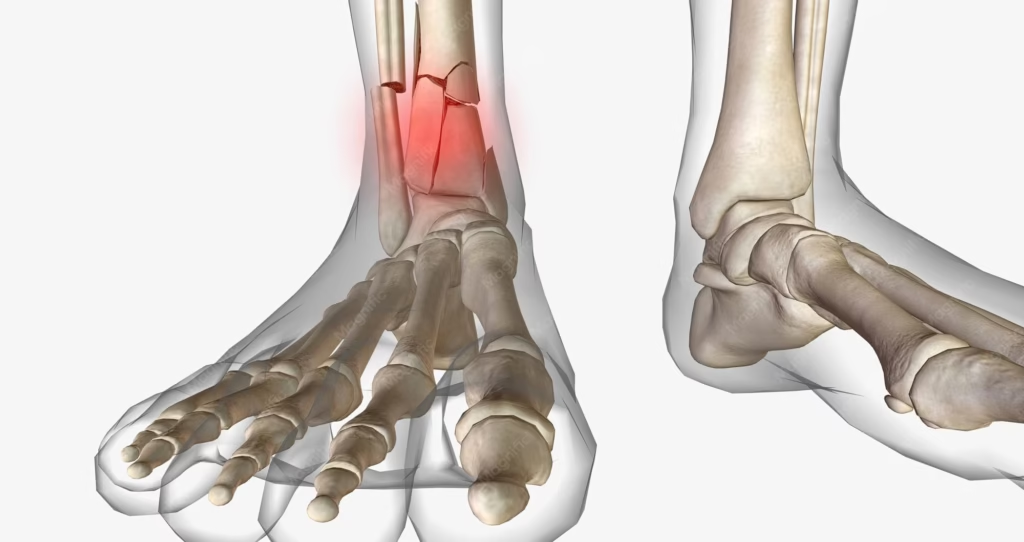
Joint Fracture In Nagpur – Joint fractures can affect people of every age and often interfere with normal movement. These injuries usually occur after falls, road accidents, sports activities, or direct trauma. A fracture near a joint can damage the surrounding cartilage, ligaments, and soft tissues in addition to the bone. Therefore, prompt orthopedic care is essential to restore joint stability and prevent long-term complications. Delaying treatment may increase pain, limit mobility, and affect the normal healing process. Early diagnosis allows orthopedic specialists to identify the exact fracture pattern and recommend the most appropriate treatment.
At Medicure Multispecialty Clinic, Dr. Romil Rathi provides comprehensive evaluation and personalized treatment for patients seeking Joint Fracture in Nagpur.
Understanding Joint Fracture By Dr.Romil Rathi
Why Early Treatment Is Important ?
Common Causes of Joint Fracture in Nagpur
Common causes of Joint Fracture in Nagpur include:
• Road traffic accidents causing high-impact injuries around major joints.
• Falls from height resulting in complex fractures and joint damage.
• Slip and fall accidents affecting weight-bearing joints.
• Sports injuries caused by sudden twisting, jumping, or direct impact.
• Workplace accidents involving heavy machinery or falling objects.
• Direct blows to the joint during physical activities or accidents.
• Osteoporosis-related fractures due to weak and fragile bones.
• Bone weakness associated with aging and reduced bone density.
Early identification of the cause allows Dr. Romil Rathi to provide timely treatment, promote proper bone healing, restore joint stability, and support long-term recovery.
Common Symptoms of Joint Fracture
At Medicure Multispeciality Clinic, Dr. Romil Rathi performs a detailed assessment to diagnose the fracture and begin appropriate treatment.
Common symptoms of Joint Fracture in Nagpur include:
• Severe pain around the injured joint that worsens during movement.
• Swelling that develops quickly after the injury.
• Difficulty moving the affected joint normally.
• Inability to bear weight on the injured arm or leg.
• Bruising around the joint because of internal bleeding.
• Visible deformity caused by displaced bone fragments.
• Tenderness when the injured area is touched.
• Reduced range of motion and joint stiffness.
If you experience these symptoms after an injury, seek immediate orthopedic care. Early diagnosis and timely treatment help restore joint function, reduce pain, and prevent long-term complications.
Types of Joint Fractures Treated At Medicure Multispecialty Clinic
Joint fractures vary in severity, location, and complexity. Therefore, identifying the exact type of fracture is essential before starting treatment. Some fractures remain stable and heal with conservative care, while others require surgery to restore proper joint alignment.
Common types of Joint Fracture in Nagpur include:
• Stable fractures where the broken bone remains properly aligned.
• Displaced fractures causing bone fragments to move out of position.
• Open fractures involving broken bones with associated soft tissue injury.
• Closed fractures where the bone breaks without damaging the skin.
• Avulsion fractures where a ligament or tendon pulls away a bone fragment.
• Stress fractures developing gradually because of repetitive physical strain.
• Impacted fractures where one bone fragment is pushed into another.
After identifying the fracture type, Dr. Romil Rathi develops a personalized treatment plan based on the patient’s condition, activity level, and recovery goals. Early treatment promotes proper bone healing, restores joint stability, and helps patients return to their daily activities safely.
Diagnosis of Joint Fracture in Nagpur
Accurate diagnosis is essential for successful fracture treatment. Therefore, Dr. Romil Rathi performs a detailed orthopedic evaluation to identify the exact location, type, and severity of the fracture. The diagnostic evaluation for Joint Fracture in Nagpur may include:
• Detailed review of the injury, symptoms, and medical history.
• Physical examination to assess pain, swelling, and joint stability.
• Assessment of joint movement and functional limitations.
• Digital X-rays to identify the fracture pattern and bone alignment.
• CT scan for complex fractures involving the joint surface.
• MRI scan to evaluate ligament, cartilage, and soft tissue injuries.
• Neurovascular examination to assess nearby nerves and blood vessels.
• Bone density assessment in patients with suspected osteoporosis.
• Review of previous X-rays or medical reports when available.
Non-Surgical Treatment for Joint Fracture in Nagpur
Not every joint fracture requires surgery. Many stable fractures heal successfully with conservative treatment and regular orthopedic follow-up. Therefore, Dr. Romil Rathi carefully evaluates each fracture before recommending the most appropriate treatment.
Non-surgical treatment options may include:
• Plaster casts or splints to keep the fractured bone properly aligned.
• Functional braces that support the joint during the healing process.
• Pain-relieving medications to improve comfort during recovery.
• Cold therapy to reduce pain and swelling after the injury.
• Limb elevation to minimize inflammation and improve healing.
• Activity modification to protect the healing fracture.
• Physiotherapy to restore joint mobility and flexibility.
• Nutritional guidance to support healthy bone recovery.
Following the treatment plan and attending regular follow-up visits help ensure proper healing, improve recovery, and reduce the risk of future complications.
Surgical Treatment for Joint Fracture in Nagpur
Some joint fractures require surgery when the bone fragments shift out of position or the fracture extends into the joint surface.
• Internal fixation using plates and screws to stabilize the fracture.
• Intramedullary nailing for selected fractures near major joints.
• External fixation for severe fractures with soft tissue injuries.
• Minimally invasive fracture fixation for suitable patients.
• Arthroscopic assistance for fractures involving the joint surface.
• Bone grafting to support bone healing when required.
• Ligament or soft tissue reconstruction if associated injuries are present.
• Joint surface reconstruction to restore normal movement.
• Bone alignment correction to prevent future deformity.
• Personalized rehabilitation planning after surgery.
Modern surgical techniques improve fracture healing, restore joint function, and support a faster recovery with structured rehabilitation.
Rehabilitation After Joint Fracture Treatment
Rehabilitation is an important part of recovery after a joint fracture. Although the bone may heal, the joint also needs to regain strength, flexibility, and normal movement.
• Range-of-motion exercises to improve joint flexibility.
• Muscle strengthening exercises to restore stability.
• Balance and coordination training for safer movement.
• Gradual walking and weight-bearing exercises.
• Functional training for daily activities.
• Stretching exercises to reduce joint stiffness.
• Pain management during the recovery period.
• Lifestyle guidance to maintain long-term joint health.
Following the rehabilitation program improves mobility, restores strength, and supports a faster and safer recovery.
Complications of Untreated Joint Fracture in Nagpur
Ignoring a joint fracture can lead to serious complications that affect movement and long-term joint health.
Untreated Joint Fracture in Nagpur may lead to:
• Delayed bone healing that prolongs recovery.
• Malunion causing improper bone alignment.
• Nonunion where the fracture fails to heal.
• Permanent joint stiffness and reduced flexibility.
• Joint instability during walking or movement.
• Nerve or blood vessel injury in severe fractures.
• Increased risk of future fractures and joint problems.
Timely treatment reduces these complications, restores mobility, and supports long-term joint function.
Tips to Prevent Joint Fractures
At Medicure Multispeciality Clinic, Dr. Romil Rathi encourages preventive care to improve bone strength and support long-term joint health.
Simple ways to prevent Joint Fracture in Nagpur include:
• Eat a calcium-rich and balanced diet to strengthen bones.
• Get enough Vitamin D to improve bone health.
• Perform regular weight-bearing exercises to increase bone strength.
• Wear protective gear during sports and outdoor activities.
• Use supportive footwear to prevent slips and falls.
• Attend regular orthopedic check-ups to monitor bone health.
Following these simple measures helps protect your bones, reduce injury risk, and support healthy joints for the future.
Why Choose Medicure Multispecialty Clinic for Joint Fracture in Nagpur?
Choosing the right orthopedic clinic plays a vital role in achieving successful fracture recovery. Therefore, patients should seek expert care from an experienced orthopedic specialist who provides accurate diagnosis and personalized treatment.
• Comprehensive orthopedic evaluation for simple and complex joint fractures.
• Personalized treatment plans based on the fracture type and patient needs.
• Advanced diagnostic facilities for accurate fracture assessment.
• Modern surgical and non-surgical fracture management.
• Structured rehabilitation programs for faster functional recovery.
• Regular follow-up appointments to monitor bone healing.
• Patient-focused care with clear treatment guidance.
• Commitment to restoring mobility, relieving pain, and improving long-term joint health.
Conclusion
Frequently Asked Questions
A joint fracture is a break in a bone that occurs at or near a joint. It may also involve the joint surface, affecting movement and stability.
Common symptoms include severe pain, swelling, bruising, stiffness, difficulty moving the joint, and trouble bearing weight.
You should consult an orthopedic specialist immediately after any injury that causes severe pain, swelling, deformity, or limited joint movement.
Yes. Many stable joint fractures heal successfully with immobilization, medications, and rehabilitation.
Dr. Romil Rathi diagnoses joint fractures through a detailed clinical examination and imaging tests such as X-rays, CT scans, or MRI scans when necessary.
Book Your Consultation
Do not ignore persistent joint pain, swelling, or difficulty moving after an injury. Early orthopedic evaluation can make a significant difference in your recovery and help prevent long-term complications. At Medicure Multispeciality Clinic, Dr. Romil Rathi provides comprehensive diagnosis and personalized treatment for all types of joint fractures. Every treatment plan focuses on restoring joint stability, relieving pain, and helping patients return to their normal activities safely. Whether your injury requires non-surgical management or advanced fracture surgery, you will receive individualized care based on your specific condition. Book your consultation today with Dr. Romil Rathi and take the first step toward faster recovery, improved mobility, and long-term joint health.